Epigenetics, Aging & Skin Inflammation

SEOUL, KOREA
Dong Hun Lee Lab · Seoul National University

How skin ages.
How skin
connects.

We connect clinical questions, single-cell analysis and bioinformatics with functional experiments to understand skin aging, inflammation and skin–brain interaction.

Single-cellBioinformaticsFunctional studies
Dong Hun Lee, MD, PhD, MBA
Professor of Dermatology · SNU College of Medicine
Questions drive the methods

Complex questions.
Connected approaches.

We connect patient observations with cellular maps and computational analysis, then test mechanistic hypotheses through functional experiments.

01

Map the heterogeneity

Connect clinical phenotypes with PBMC single-cell RNA-seq, and cross-check observations using flow cytometry and public skin datasets.

Clinical phenotyping · Single-cell · Flow cytometry
Explore the study
Co-corresponding author collaboration
  • Seunghee HongDepartment of Biochemistry, College of Life Science and Biotechnology, Yonsei University
  • Hyun Je KimDepartment of Microbiology and Immunology, Seoul National University College of Medicine

02

Make the hypotheses specific

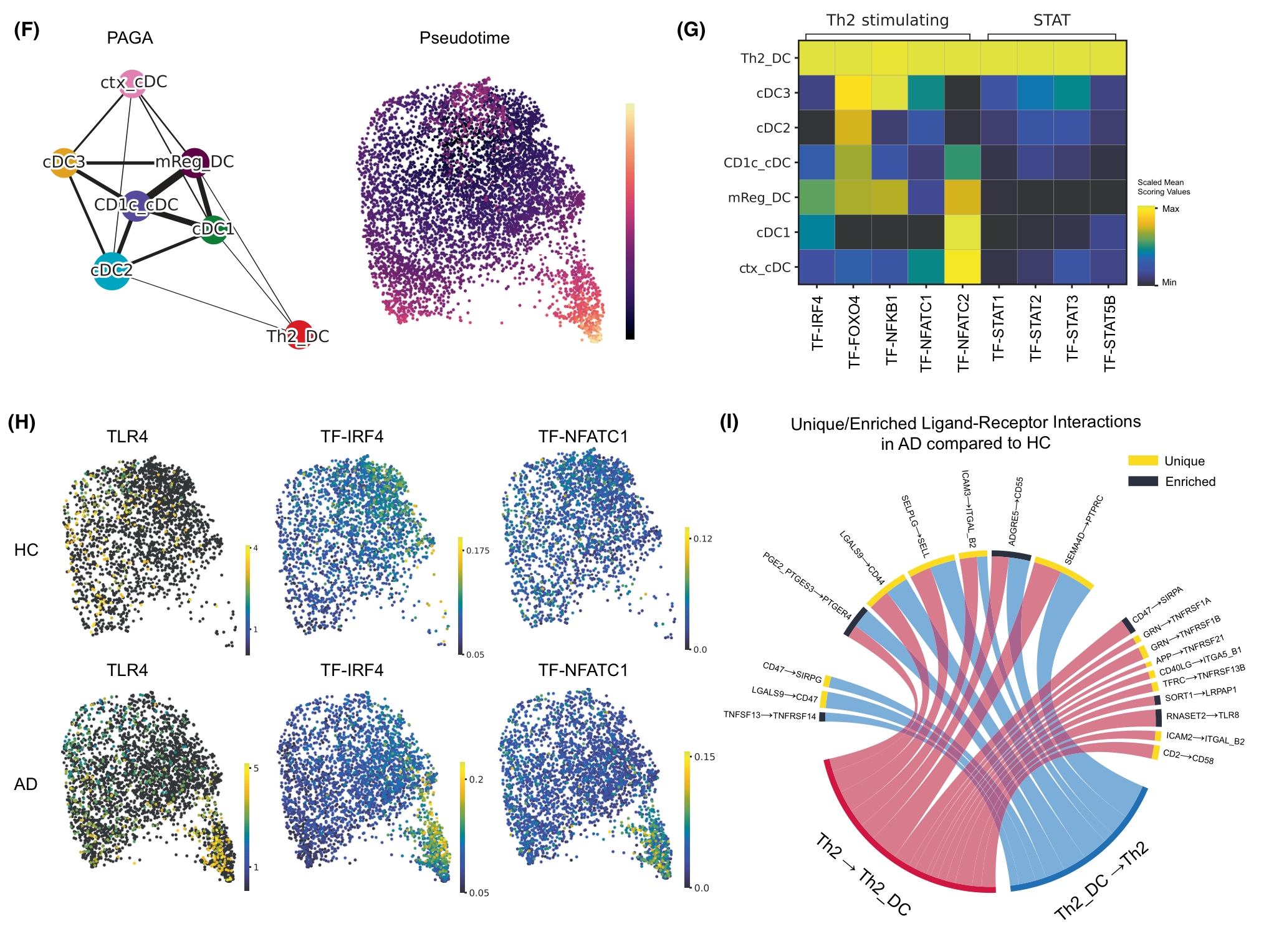
Infer cell states, regulatory programs and potential interactions; integrate transcriptomes across conditions to prioritize candidates.

Pseudotime · Regulatory networks · Transcriptomics
Explore the study
Co-corresponding author collaboration
  • Daehee HwangDepartment of Biological Sciences, Seoul National University
  • Jin Ho ChungDepartment of Dermatology, Seoul National University College of Medicine
03

Put mechanisms to the test

Test mechanistic hypotheses through gene perturbation and receptor antagonism, connected to cellular, behavioral and electrophysiological readouts.

Gene perturbation · Pharmacology · Functional readouts
Explore the study
Co-corresponding author collaboration
  • Jin Ho ChungDepartment of Dermatology, Seoul National University Hospital, Seoul National University College of Medicine
  • Yong-Seok LeeDepartment of Physiology, Seoul National University College of Medicine
Our scientific perspective

From biology to medical devices.
One starting point: skin.

How do time and environment change the skin? How do skin-derived signals connect to the brain? How does inflammation become disease? These questions also guide our work in medical devices and precise outcome assessment.

03 / DISEASE
03
Inflammatory Skin Disease

Inflammatory Skin Disease

We connect clinical questions in atopic dermatitis and related inflammatory skin diseases with immune-cell states and molecular mechanisms.

Questions & publications
04 / TECHNOLOGY
04
Medical Devices & EBD

Medical Devices & EBD

We study skin changes after energy-based treatments through clinical assessment and quantitative imaging, with the PI’s Dongguk University MBA background in medical device innovation management adding a perspective on clinical needs and technology use.

Questions & publications
Selected research

From questions to discoveries.

All publications

Selected publications and Research Stories feature papers in which Dong Hun Lee is a first or corresponding author, including shared first and corresponding authorship.

2026 · Atopic dermatitis · Complementary methods

From immune-cell maps to questions of function

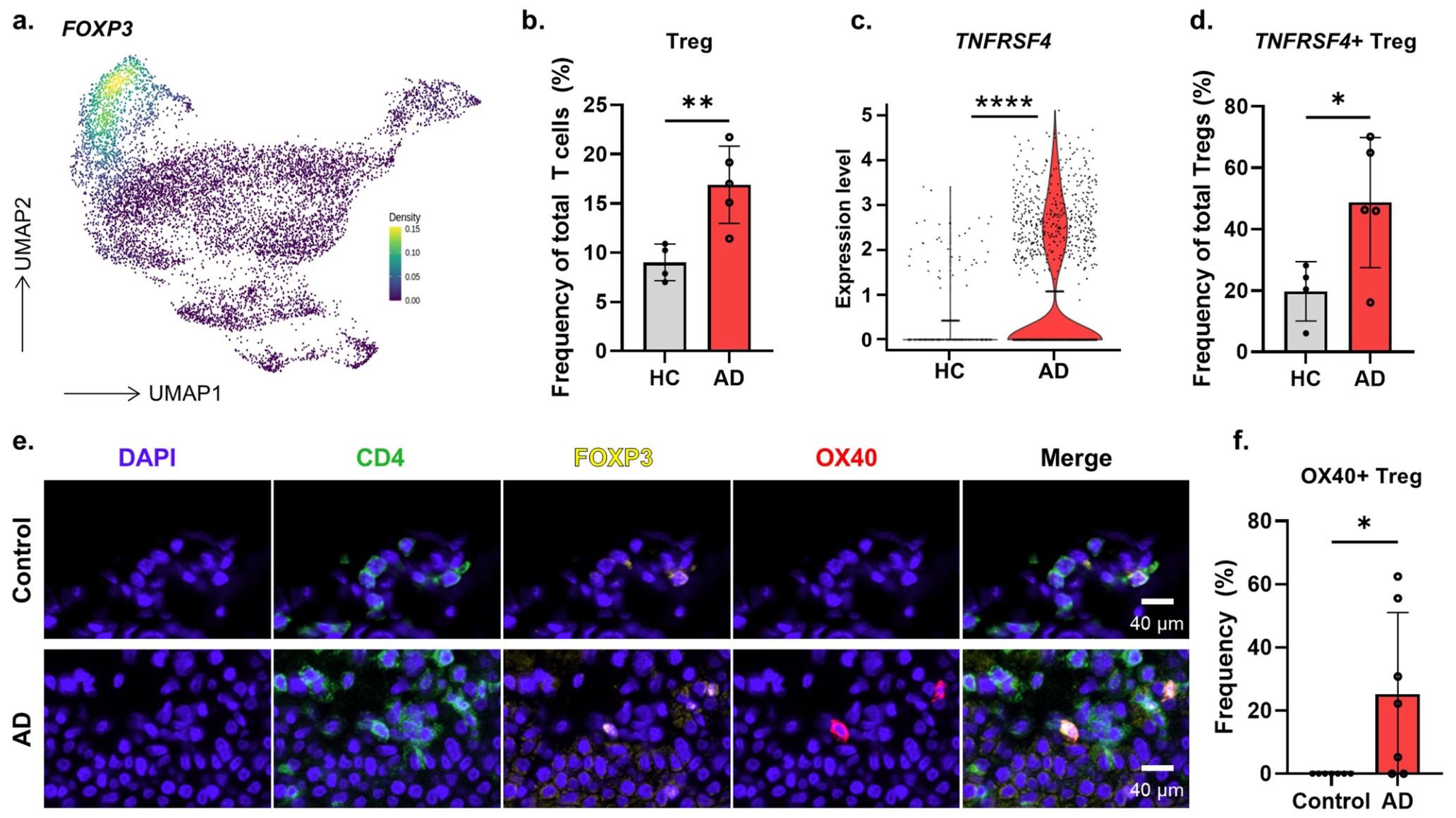
39-parameter CyTOF, public single-cell datasets, suppression assays and skin-tissue validation investigate OX40⁺ regulatory T cells.

Co-corresponding author collaboration
  • Yong-Hee KimPB Immune Therapeutics Inc · Transplantation Research Institute, Seoul National University Medical Research Center
  • Hyun Je KimDepartment of Microbiology and Immunology, Seoul National University College of Medicine
Allergology International
2022 · Epigenetics · Integrative analysis

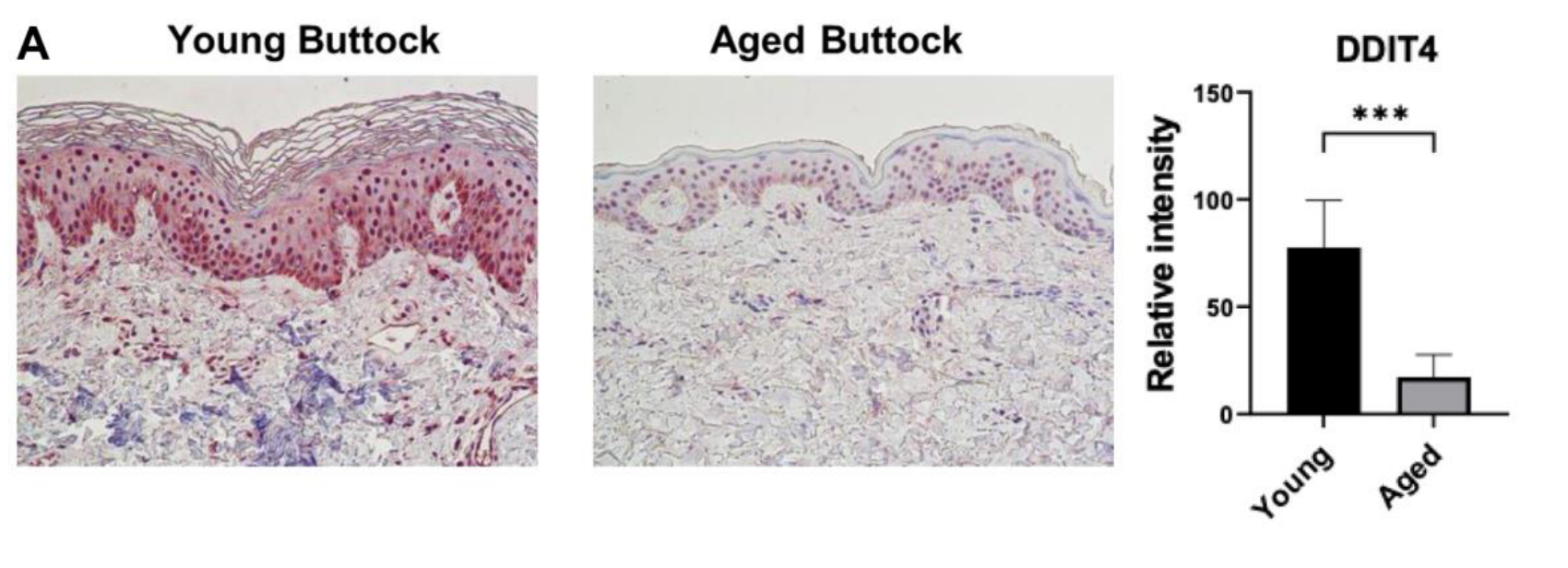
From integrated data to a testable regulator

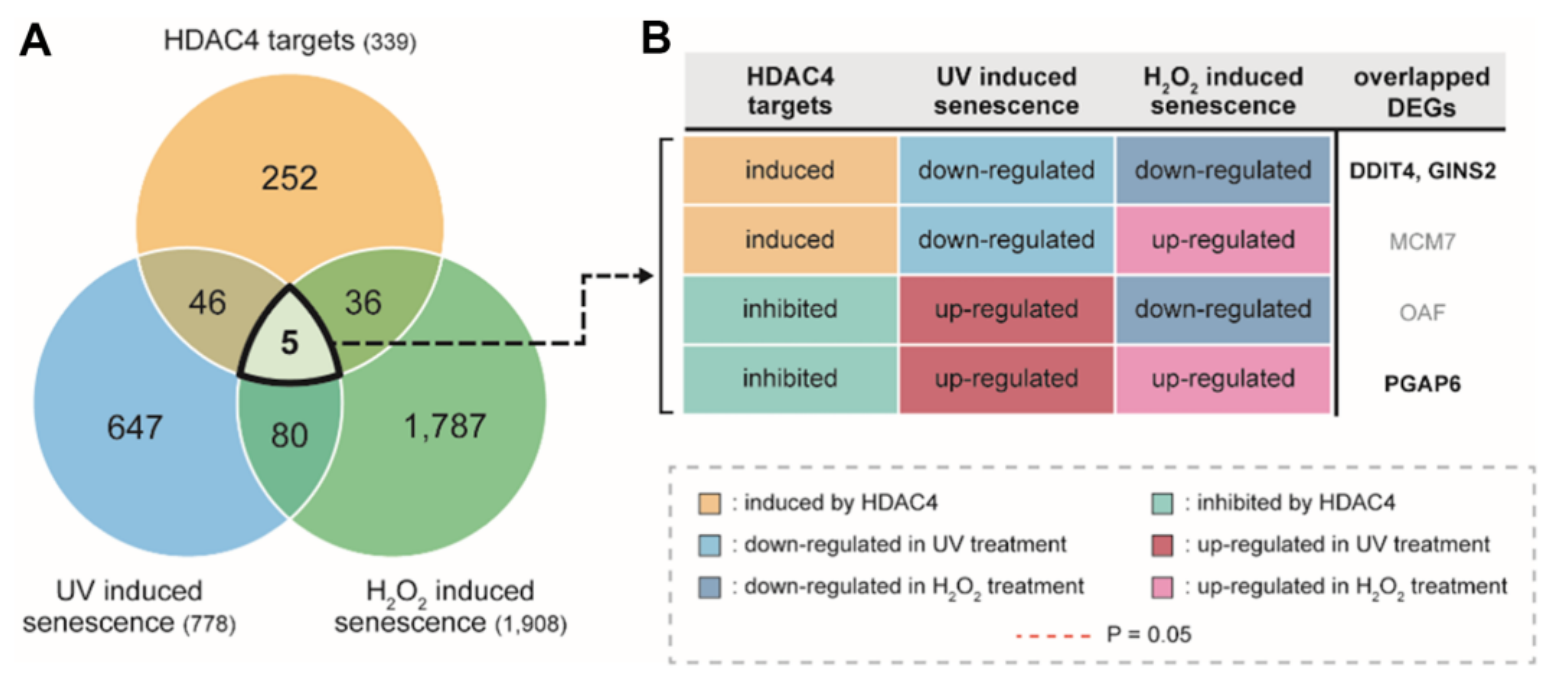
Transcriptomes from senescence models and HDAC4 perturbation identified DDIT4 for follow-up gene perturbation experiments.

Co-corresponding author collaboration
  • Daehee HwangDepartment of Biological Sciences, Seoul National University
  • Jin Ho ChungDepartment of Dermatology, Seoul National University College of Medicine
Aging
Beyond the skin
2024 · Skin–brain axis · Animal study

Connecting cutaneous UV exposure and memory

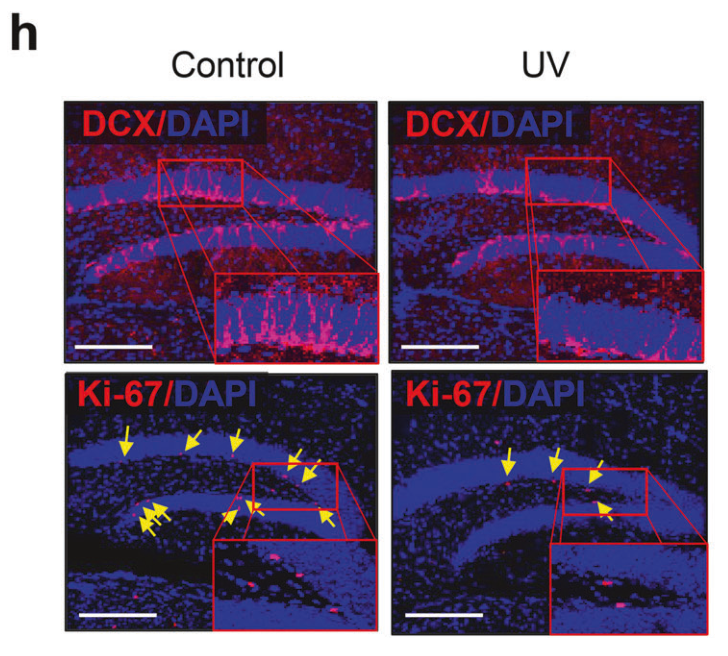
Animal studies examined how chronic UV exposure relates to dopamine signaling, memory and synaptic function.

Co-corresponding author collaboration
  • Jin Ho ChungDepartment of Dermatology, Seoul National University Hospital, Seoul National University College of Medicine
  • Yong-Seok LeeDepartment of Physiology, Seoul National University College of Medicine
Experimental & Molecular Medicine

Article titles link to the original publications. Animal-model findings do not establish clinical effects in humans.

Dong Hun Lee, 2025
Principal investigator

Dong Hun LeeMD, PhD, MBA

Physician-scientist.
Connecting clinical questions with biological mechanisms.

Vice President, Medical Research Center

Seoul National University

Director, Translational Medicine Research Institute

Biomedical Research Institute, Seoul National University Hospital

Editor-in-Chief (EIC)

Experimental Dermatology

News & milestones

Notes from the lab.

All updates
Publication

Investigating OX40+ regulatory T cells in atopic dermatitis

High-dimensional immune profiling research published in Allergology International.

Co-corresponding author collaboration
  • Yong-Hee KimPB Immune Therapeutics Inc · Transplantation Research Institute, Seoul National University Medical Research Center
  • Hyun Je KimDepartment of Microbiology and Immunology, Seoul National University College of Medicine
Publication

miR-382-5p and the molecular mechanisms of dermal aging

Research on the miR-382-5p–SLC26A3 axis published in Experimental Dermatology.

Co-corresponding author collaboration
  • Min-Kyoung KimDepartment of Dermatology, Seoul National University Hospital, Seoul National University College of Medicine

Students · Researchers · Industry partners

A question we could
answer together?

Skin aging and epigenomics, inflammatory skin disease, skin–brain interaction, medical devices and EBD. Get in touch—even at the earliest idea stage.

We welcome prospective students and interns, and collaboration proposals from researchers, clinicians and industry partners.