A retrospective clinical study used 3D imaging to assess facial pores after combined microfocused ultrasound and intradermal incobotulinumtoxin-A.
Research
Skin biology.
A wider perspective.
Our work connects epigenetic skin aging, skin–brain interaction and inflammatory skin disease with medical devices, energy-based technologies and objective assessment.
01
Epigenetic Skin Aging
Epigenetic Skin Aging
What molecular signals drive skin aging?
We study changes in DNA methylation, histone regulation and microRNAs associated with ultraviolet exposure and aging. Observations in human skin and dermal fibroblasts guide mechanistic studies of extracellular matrix remodeling and photoaging.
PhotoagingEpigeneticsmicroRNAExtracellular matrix
02
Skin–Brain Interaction
Skin–Brain Interaction
How far can a signal from the skin travel?
We investigate connections among cutaneous UV exposure, neurotransmitters, neuropeptides and brain function. Animal studies examine dopamine- and substance P-associated changes in memory and synaptic plasticity, helping define mechanisms of communication between the skin and the rest of the body.
Skin–brain axisNeuropeptidesDopamineSynaptic plasticity
The highlighted mechanistic studies in this direction use animal models.
03
Inflammatory Skin Disease
Inflammatory Skin Disease
What can immune-cell states reveal about disease?
Clinical unmet needs in atopic dermatitis and related inflammatory skin diseases guide our research. We use single-cell RNA sequencing and high-dimensional immune profiling to study peripheral immune cells in severe AD, connecting cell states and interactions with clinical phenotypes and potential therapeutic targets.
Atopic dermatitisRelated skin inflammationSingle-cell RNA-seqImmune profiling
04
Medical Devices & EBD
Medical Devices & EBD
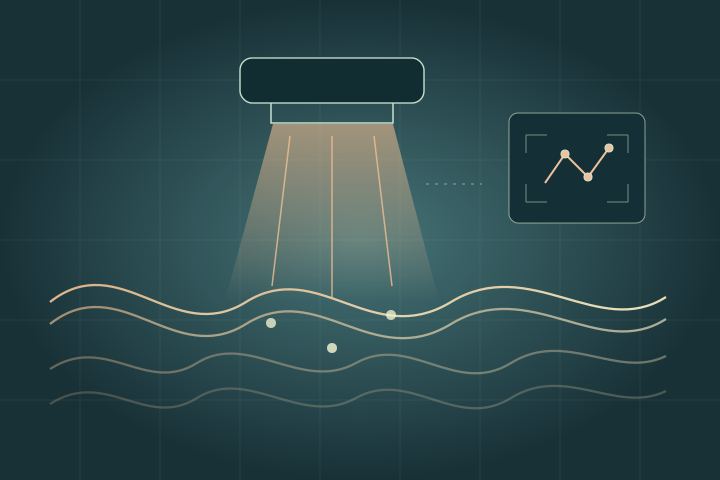
How does energy change skin—and how can we measure it?
We study ways to assess skin responses and treatment outcomes of energy-based devices (EBD) objectively. We connect clinical observations with 3D skin imaging and quantitative analysis, working with optical and engineering researchers to develop approaches to skin assessment.
Energy-based devicesClinical assessment3D skin imagingQuantitative analysis
Questions drive the methods
Complex questions.
Connected approaches.
We connect patient observations with cellular maps and computational analysis, then test mechanistic hypotheses through functional experiments.
01
Map the heterogeneity
Connect clinical phenotypes with PBMC single-cell RNA-seq, and cross-check observations using flow cytometry and public skin datasets.
Clinical phenotyping · Single-cell · Flow cytometry
Explore the study Co-corresponding author collaboration
- Seunghee HongDepartment of Biochemistry, College of Life Science and Biotechnology, Yonsei University
- Hyun Je KimDepartment of Microbiology and Immunology, Seoul National University College of Medicine
02
Make the hypotheses specific
Infer cell states, regulatory programs and potential interactions; integrate transcriptomes across conditions to prioritize candidates.
Pseudotime · Regulatory networks · Transcriptomics
Explore the study Co-corresponding author collaboration
- Daehee HwangDepartment of Biological Sciences, Seoul National University
- Jin Ho ChungDepartment of Dermatology, Seoul National University College of Medicine
03
Put mechanisms to the test
Test mechanistic hypotheses through gene perturbation and receptor antagonism, connected to cellular, behavioral and electrophysiological readouts.
Gene perturbation · Pharmacology · Functional readouts
Explore the study Co-corresponding author collaboration
- Jin Ho ChungDepartment of Dermatology, Seoul National University Hospital, Seoul National University College of Medicine
- Yong-Seok LeeDepartment of Physiology, Seoul National University College of Medicine
Students · Researchers · Industry partners
A question we could
answer together?
Skin aging and epigenomics, inflammatory skin disease, skin–brain interaction, medical devices and EBD. Get in touch—even at the earliest idea stage.
We welcome prospective students and interns, and collaboration proposals from researchers, clinicians and industry partners.
